


-

Add: HeBei ShengShi HongBang Cellulose Technology CO.,LTD.
-

Email
13180486930@163.com -

CONTACT US
+86 13180486930
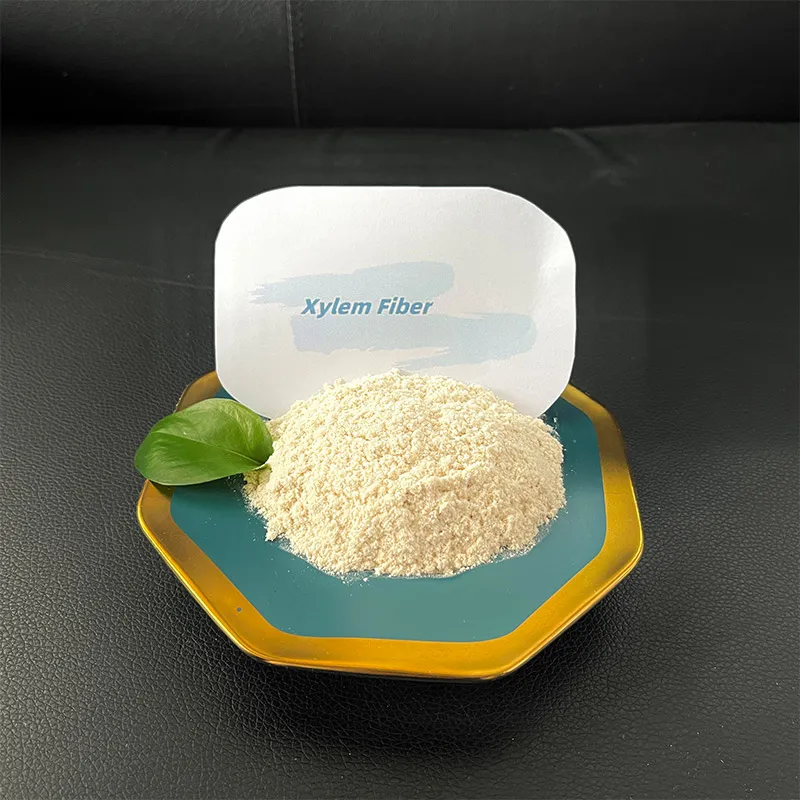
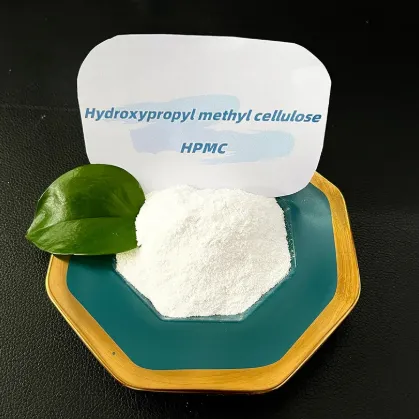


Fiberglass for Concrete Mix Enhancing Strength and Durability Concrete is one of the most widely used construction materials in the world, known for its strength and versatility. However, it does have its limitations, such as brittleness, susceptibility to cracking, and overall weight. To tackle these challenges, the incorporation of fiberglass into concrete mixes has emerged as a game-changing solution that boosts performance while maintaining the same traditional characteristics of concrete. What is Fiberglass? Fiberglass, or glass fiber, is a reinforced plastic material composed of fine fibers of glass. It is known for its high strength-to-weight ratio, excellent resistance to corrosion, and impressive insulation properties. When added to concrete mixes, fiberglass can significantly enhance the material's overall performance, making it a popular choice in various construction applications. Benefits of Fiberglass in Concrete Mixes 1. Improved Tensile Strength One of the most significant advantages of incorporating fiberglass into concrete is the enhancement of tensile strength. Traditional concrete tends to be strong in compression but weak in tension, which can lead to cracks and structural failures. By adding fiberglass, the tensile strength increases, making the concrete more resistant to stress and load-bearing requirements. 2. Reduced Shrinkage and Cracking Fiberglass acts as a reinforcement that helps to minimize shrinkage during the curing process. This reduction in shrinkage translates to a decreased risk of cracking, which is often a common issue in standard concrete mixes. By effectively controlling cracking, fiberglass-reinforced concrete extends the lifespan of structures and reduces the need for repairs. 3. Lightweight Composition The lightweight nature of fiberglass compared to traditional reinforcement materials like steel means that concrete mixes can maintain lower overall weight. This can reduce the structural load on foundations while still providing the necessary strength and durability. Such lightweight composition is particularly advantageous in projects where load restrictions are critical. fiberglass for concrete mix 4. Enhanced Durability Fiberglass is naturally resistant to corrosion and chemical attack, which can often plague concrete exposed to harsh environmental conditions. By incorporating fiberglass, the resulting concrete becomes more robust against moisture penetration, temperature fluctuations, and aggressive chemicals, making it ideal for use in areas such as coastal regions, industrial sites, or places with severe weather. 5. Cost-Effectiveness While there may be initial costs associated with adding fiberglass to concrete mixes, the long-term savings are significant. The durability and reduced maintenance associated with fiberglass-reinforced concrete often lead to lower repair and replacement costs over the lifecycle of a structure. Additionally, the efficiency of construction and the potential reduction in material usage can further offset expenses. Applications of Fiberglass-Reinforced Concrete The application of fiberglass in concrete mixes spans across various sectors including residential, commercial, and industrial construction. From precast concrete products to architectural elements, such as facades and sculptures, fiberglass enhances the performance and aesthetic appeal of concrete structures. One notable application is in the construction of pavements and flooring systems. The addition of fiberglass not only improves the structural integrity but also provides slip resistance, ensuring safety in both industrial and commercial environments. Moreover, the use of fiberglass in thin overlays and shotcrete processes shows significant promise, allowing for quick application with high durability. Conclusion In conclusion, the integration of fiberglass into concrete mixes presents a wealth of benefits that significantly enhance the material's performance. Improved tensile strength, reduced shrinkage, enhanced durability, and lightweight composition make fiberglass-reinforced concrete an excellent choice for modern construction projects. As the construction industry continues to evolve, adopting innovative materials like fiberglass will be crucial in meeting the demands for stronger, more resilient, and cost-effective building solutions. By embracing these advancements, engineers and architects can create structures that not only stand the test of time but also contribute to more sustainable development practices.
- 40000tons

Production
- 20+years

Experience
- 5000+㎡

Acreage

-

The Role of Hydroxypropyl Starch Phosphate in Hair Care Products In recent years, the beauty and personal care industry has witnessed a significant rise in the demand for novel and effective ingredients. Among these, hydroxypropyl starch phosphate (HPSP) has emerged as an intriguing component, particularly in hair care formulations. This versatile ingredient, derived from natural starch, is garnering attention for its multiple benefits and applications in improving hair health and aesthetics. What is Hydroxypropyl Starch Phosphate? Hydroxypropyl starch phosphate is a modified starch that is produced through the chemical modification of natural starches. The process involves introducing hydroxypropyl groups and phosphate esters into the starch molecules. This modification enhances the solubility of the starch in water and provides unique functional properties, making HPSP suitable for various cosmetic applications, including hair care. Benefits for Hair Care 1. Moisture Retention One of the standout features of hydroxypropyl starch phosphate is its ability to retain moisture. Hair that lacks hydration can appear dull, frizzy, and unmanageable. Products containing HPSP can help maintain moisture levels, providing the hair with a soft and smooth texture. This property is particularly beneficial for individuals with dry or damaged hair. 2. Film-Forming Agent HPSP acts as an excellent film-forming agent, creating a protective layer over the hair shaft. This barrier helps shield the hair from environmental stressors such as UV radiation, pollution, and heat damage. Moreover, this film enhances the overall appearance of hair by adding shine and reducing tangling, leading to easier styling. 3. Stabilization and Texture Improvement In addition to cosmetic benefits, hydroxypropyl starch phosphate contributes to the stability and texture of hair care formulations. It helps emulsify oils and water, ensuring a smooth and consistent product . This property is particularly advantageous in shampoos, conditioners, and styling products, where a pleasant texture and stability are vital for consumer satisfaction. hydroxypropyl starch phosphate hair 4. Gentle on Hair Since HPSP is derived from natural starch, it is often considered more gentle compared to synthetic polymers or harsh chemicals. This makes it suitable for sensitive scalps and can be a preferred choice for those looking for gentle yet effective hair care solutions. 5. Enhanced Manageability and Styling Hair products formulated with hydroxypropyl starch phosphate can improve the manageability of hair. By minimizing frizz and enhancing smoothness, HPSP allows for easier combing and styling. Furthermore, the added hold provided by the film-forming properties assists in maintaining hairstyles throughout the day. Applications in Hair Care Products Hydroxypropyl starch phosphate is used in a variety of hair care products, including - Shampoos To improve cleansing efficiency while maintaining moisture and preventing dryness. - Conditioners For detangling, enhancing shine, and providing a protective barrier for each strand. - Hair Masks To deeply nourish and hydrate, leaving the hair feeling soft and rejuvenated. - Styling Products Such as gels and mousses, where it helps to provide hold and control without stiffness. Conclusion As the hair care industry continues to evolve, the incorporation of innovative ingredients like hydroxypropyl starch phosphate underscores the importance of science-backed solutions for hair health. HPSP offers a multifaceted approach to hair care, providing hydration, protection, and improved manageability. For consumers seeking effective and gentle products, those containing hydroxypropyl starch phosphate may represent a promising option—blending tradition with modern advancements in beauty science. As more research and development occur in this field, it's likely that HPSP will continue to be a favored ingredient among formulators aiming to meet the diverse needs of hair care consumers.
-
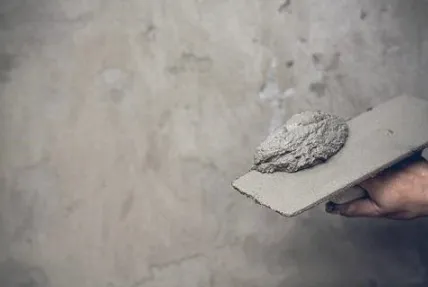
In the world of construction and renovation, the search for the perfect plaster retarder has led many professionals to explore a range of additives, among them, cream of tartar. Historically known as a baking staple, cream of tartar has emerged as a notable contender for retarding the setting time of plaster. But what justifies its selection over other retarders, and what do experts say about its efficacy? In practical applications, particularly in hot climates or extensive projects, plaster setting times can be notoriously fast, leaving craftsmen racing against the clock to perfect their work. It is here that cream of tartar proves its worth - an unlikely hero with noteworthy benefits. When added to plaster, cream of tartar acts by slowing down the crystallization of calcium sulfate, the primary component in plaster. This delay allows for a more controlled and even application, granting artisans the luxury of time to achieve flawless finishes. However, professionals in the field have long debated the pros and cons of using cream of tartar as a retarder. Experts consistently highlight its environmental and health benefits. Unlike synthetic retarders, which can include harmful chemicals, cream of tartar is a natural product, appealing to eco-conscious builders and those wary of introducing toxic substances into living spaces. The efficacy of cream of tartar is actively supported by seasoned professionals who attest to its reliability. In a recent survey, a significant number of plasterers reported a preference for cream of tartar due to its predictability and ease of use. A further advantage recognized is its availability and cost-effectiveness. Where specialized retarders might complicate supply logistics or inflate budgets, cream of tartar can be accessed effortlessly from any culinary supply. Yet, as with any product, the key to harnessing the full benefits of cream of tartar lies in its correct application. Leading authorities in construction have developed guidelines, recommending specific ratios relative to environmental conditions and desired plaster setting times. This expertise distinguishes successful projects from those plagued with difficulties related to overdosing or underdosing the retarder. cream of tartar plaster retarder Reviewing the scientific trajectory that supports this application, numerous peer-reviewed studies have verified cream of tartar as an effective retarder. Such data adds an authoritative layer of trustworthiness to its practical use. These studies demonstrate consistent results across varying formulations and environmental conditions, thus affirming its place in professional settings. Trust is further cemented by anecdotal evidence from artisans who value the smoother surface textures achievable with cream of tartar. Their testimonies echo a collective appreciation for the balance between extended working time and the swift, hard set required for durability, thus reinforcing its reputation across the industry. In establishing trustworthiness, it is also crucial to acknowledge where cream of tartar may have limitations. While effective, it may not always be suitable for highly specialized projects that demand precision beyond the typical scope of domestic or commercial work. Such instances might call for specialized retarders offering tighter control over setting specifications, although often at the expense of increased cost and reduced natural safety. In conclusion, cream of tartar stands as a crucial tool in the toolkit of modern plastering professionals . Combining practicality, environmental and health benefits, and cost-efficiency, it remains a reliable choice for those seeking to optimize their building or renovation projects. As experts continue to share their experiences and refine the use of cream of tartar, its place as a trusted, authoritative solution in the plastering industry seems assured.
advantages
-

200000 Viscosities
Excellent product
We can produce pure products up to 200,000 viscosities
-

40000 tons
High yield
We don’t stop production all year round, and the annual output can reach 40,000 tons
-

24 hours
Quality service
We provide 24-hours online reception service, welcome to consult at any time
———— Inquiry Form
Schedule A services
-
 hpmc_solution
Oct . 25, 2025
Understanding Methyl Cellulose and Its Pricing Dynamics Methyl cellulose, a water-soluble polymer de -
 rubber_powder_used_in_water_proof_mortar
Oct . 25, 2025
In the world of construction and remodeling, the use of plaster retarder is a nuanced topic that dem -
 pp_carbon_fiber
Oct . 25, 2025
Powder rubber, an increasingly popular material in various industries, offers a myriad of applicatio


